
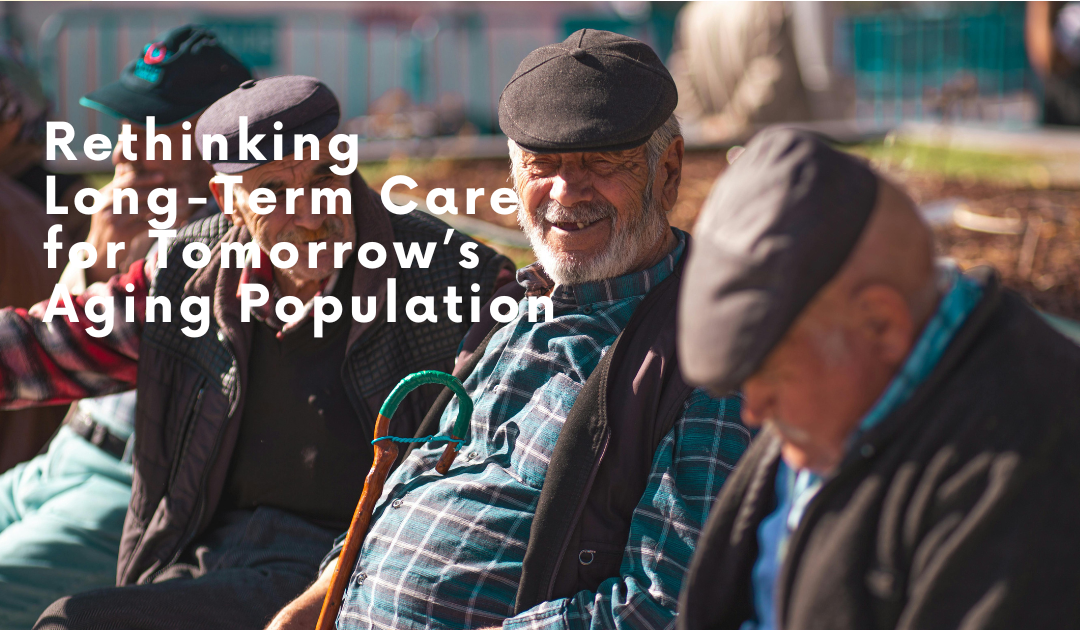
As populations age across the globe, long-term care is entering a pivotal moment. Traditional models—often centered around institutional settings and reactive care—are struggling to keep pace with shifting demographics, rising costs, and evolving expectations. Tomorrow’s older adults are not only living longer, but they are also seeking greater independence, dignity, and personalization in how they age. Rethinking long-term care is no longer optional—it’s essential.
A Demographic Turning Point
Advances in medicine, improved living standards, and declining birth rates have converged to create an unprecedented demographic shift. In many countries, the proportion of individuals aged 65 and older is growing faster than any other age group. This surge places immense pressure on healthcare systems, caregivers, and infrastructure designed decades ago for a very different population profile.
But the challenge isn’t just about numbers—it’s about complexity. Older adults today are more diverse in their health needs, lifestyles, and preferences. Many live with multiple chronic conditions, requiring coordinated, continuous care rather than episodic treatment. This reality demands a shift from one-size-fits-all solutions to more adaptive, person-centered approaches.
Moving Beyond Institutional Care
For decades, nursing homes and assisted living facilities have been the cornerstone of long-term care. While these settings provide essential services, they are no longer the preferred option for many. A growing number of older adults want to “age in place,” remaining in their homes and communities for as long as possible.
This preference is driving innovation in home-based care models. From in-home nursing services to remote monitoring technologies, care is becoming more decentralized. Telehealth platforms allow clinicians to check in without requiring travel, while wearable devices can track vital signs in real time. These tools not only enhance convenience but also enable earlier interventions, reducing hospitalizations and improving outcomes.
The Rise of Personalized Care
One of the most significant shifts in long-term care is the move toward personalization. Tomorrow’s care models must account for individual preferences, cultural backgrounds, and unique health profiles. This goes beyond medical treatment—it includes lifestyle choices, social engagement, and emotional well-being.
Person-centered care plans are becoming the standard, emphasizing collaboration between patients, families, and care providers. Instead of dictating routines, caregivers are increasingly tailoring services to align with how individuals want to live. Whether it’s flexible meal options, customized activity programs, or culturally sensitive care practices, personalization enhances both satisfaction and quality of life.
Integrating Technology Thoughtfully
Technology is playing a transformative role in reshaping long-term care, but its success depends on thoughtful integration. Tools like artificial intelligence, predictive analytics, and smart home systems can significantly improve efficiency and safety. For example, AI can help identify early signs of cognitive decline, while smart sensors can detect falls or unusual behavior patterns.
However, technology must complement—not replace—the human element of care. Social isolation is already a major concern among older adults, and over-reliance on digital solutions can exacerbate it. The goal should be to use technology as an enabler, freeing up caregivers to focus on meaningful interactions rather than administrative tasks.
Supporting the Workforce
No discussion of long-term care reform is complete without addressing the workforce. Caregiving is both physically demanding and emotionally taxing, yet it is often undervalued and undercompensated. As demand for services grows, so does the need for a skilled, motivated workforce.
Investing in training, career development, and better working conditions is critical. Equally important is recognizing caregivers as essential contributors to the healthcare ecosystem. Innovative staffing models, such as team-based care and flexible scheduling, can help reduce burnout and improve retention. Additionally, leveraging technology to streamline workflows can allow caregivers to spend more time on direct patient care.
Financial Sustainability and New Models
Affordability remains one of the biggest barriers to effective long-term care. Traditional funding mechanisms—whether public programs, private insurance, or out-of-pocket payments—are often fragmented and insufficient. As costs continue to rise, new financial models are needed to ensure sustainability.
Value-based care is gaining traction as a promising alternative. By tying reimbursement to outcomes rather than volume, this approach incentivizes providers to deliver high-quality, efficient care. Partnerships between healthcare systems, insurers, and community organizations can also help distribute costs and resources more effectively.
Building Age-Friendly Communities
Rethinking long-term care extends beyond healthcare facilities—it involves reimagining entire communities. Age-friendly environments are designed to support mobility, accessibility, and social connection. This includes everything from walkable neighborhoods and accessible transportation to community centers and intergenerational programs.
Such environments not only improve quality of life but also reduce reliance on formal care services. When older adults can remain active and engaged, they are less likely to experience the physical and mental decline that often leads to more intensive care needs.
Looking Ahead
The future of long-term care will be defined by flexibility, innovation, and a deeper understanding of what it means to age well. It requires collaboration across sectors, from healthcare providers and policymakers to technology developers and community leaders.
Ultimately, rethinking long-term care is about shifting the focus from managing decline to enabling vitality. By embracing new models of care, investing in people and technology, and prioritizing individual needs, we can create a system that not only supports aging populations but empowers them to thrive.