
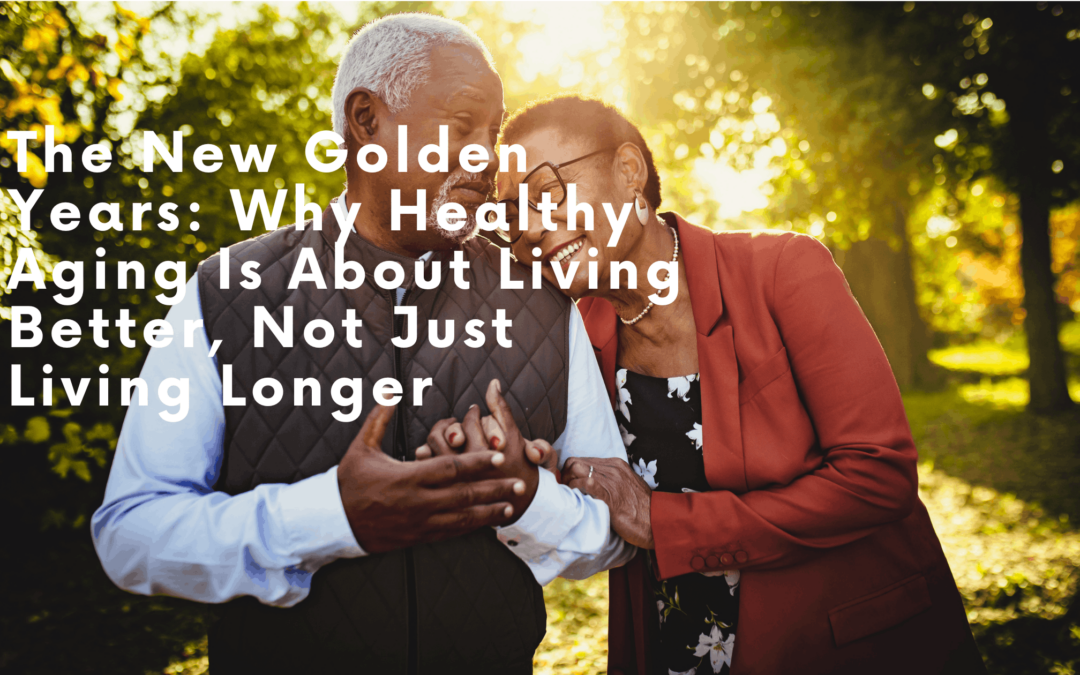
For generations, aging was viewed as something to endure—a gradual slowing down marked by limitations and dependency. Today, that perception is changing. Advances in healthcare, wellness, and senior living have redefined what it means to grow older. Healthy aging is no longer simply about adding years to life; it’s about adding life to those years.
The modern senior is more active, socially connected, and health-conscious than ever before. Retirement is increasingly becoming the start of a new chapter rather than the end of one. Whether it’s learning a new hobby, volunteering, traveling, or spending more quality time with family, older adults are proving that age is just one part of a much larger story.
A key factor in healthy aging is maintaining physical activity. Regular movement doesn’t have to involve intense workouts or marathon training. Daily walks, swimming, yoga, gardening, or light strength training can improve balance, preserve muscle mass, support heart health, and reduce the risk of falls. Staying active also boosts mood and helps maintain independence—one of the most valuable aspects of aging well.
Nutrition is equally important. As the body changes with age, so do its nutritional needs. A balanced diet rich in fruits, vegetables, lean proteins, whole grains, and healthy fats provides the nutrients necessary to support bone health, cognitive function, and immune strength. Proper hydration is another often-overlooked component that contributes to energy levels, joint health, and overall well-being.
However, healthy aging isn’t just physical—it’s deeply social and emotional. Research consistently shows that meaningful relationships contribute to a longer, healthier life. Staying connected with friends, family, and community groups helps reduce feelings of loneliness and isolation while supporting emotional resilience. Shared experiences, conversations, and a sense of belonging are just as valuable as exercise and nutrition.
This is where senior living communities are transforming expectations. Today’s communities are designed to encourage active, fulfilling lifestyles rather than simply providing care. Residents often enjoy fitness classes, educational workshops, art programs, group outings, wellness services, and opportunities to build lasting friendships. These environments promote independence while offering peace of mind through access to support when it’s needed.
Technology is also helping seniors remain engaged and independent. Video calls allow families to stay connected across distances, wearable devices monitor health, and online classes make lifelong learning more accessible than ever. Rather than replacing personal interaction, technology is becoming another tool that empowers older adults to maintain their lifestyles.
Perhaps the greatest shift in healthy aging is the emphasis on purpose. Having goals, passions, and meaningful daily routines contributes significantly to mental and emotional health. Whether mentoring younger generations, pursuing creative interests, volunteering, or simply enjoying time outdoors, purpose gives each day value and direction.
Growing older is an inevitable part of life, but how we age is increasingly within our control. By embracing movement, nourishing the body, nurturing relationships, and choosing supportive living environments, seniors can enjoy greater independence, confidence, and fulfillment.
The golden years are no longer defined by slowing down—they are defined by living with intention, staying connected, and embracing every opportunity to thrive. Healthy aging isn’t about resisting time; it’s about making every stage of life meaningful, vibrant, and full of possibility.